
Enzymes for Anaerobic Digestion & Biogas
Enzymes for Anaerobic Digestion & Biogas
Match enzyme pretreatment to the organic material entering your digester. High-throughput hydrolysis screening helps narrow the blend options; methane-potential tests and controlled plant trials determine whether the treatment delivers practical value.
Match the Enzyme Route to Your Material
Crop & fibrous residues
- Target: Grass, silage, straw and crop-processing residues.
- Solution: Evaluate cellulase, xylanase and feedstock-specific accessory activities.
- Optimisation: Measure methane potential after screening hydrolysis.
Food & mixed organic waste
- Target: Variable starch, fibre, protein and lipid fractions.
- Solution: Select activities around composition and the dosing stage.
- Optimisation: Track stability and conversion; check loading limits.
Viscous feedstocks
- Target: Materials that restrict mixing, pumping or pretreatment.
- Solution: Screen activities that reduce the relevant polymer size.
- Optimisation: Measure viscosity and energy use alongside methane production.
Choose a Starting Product for Your Trials
Explore existing products, then screen the dose and blend composition against your feedstock.
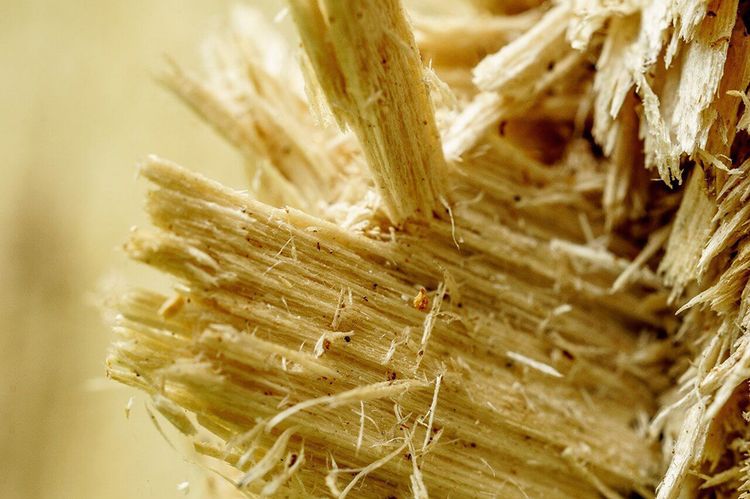
Cellulose Max Yield Pro
A cellulolytic starting option for feedstock pretreatment trials; validate suitability for your digester.

Plant Max Yield Pro
A starting formulation to evaluate on mixed plant feedstocks before methane-potential validation.
Build and compare your enzyme panel
Plan Your Evaluation
Your Feedstock. Your Conditions. Your Blend.
Compare enzyme options in parallel, then validate the strongest candidates in the process that matters to you.
Define the incoming material
Characterise solids, fibre, seasonal variability and the proposed dosing point. Agree the operational bottleneck and a baseline.
Screen pretreatment options
Compare blend ratios, enzyme dose, contact time and temperature on representative samples. Track solubilisation and viscosity.
Confirm methane performance
Take promising treatments into matched biochemical methane potential tests, then controlled digester trials. Compare methane per unit of organic feedstock.
The selected blend is based on measured feedstock performance and practical cost-in-use. Laboratory screening is followed by representative process validation.
Build Your Starting Blend with AI
Enter your feedstock and operating conditions. Use the starting formulation to plan a discussion or evaluation, then refine the blend through measured screening.
Your process
Enter the key conditions.
Exploring Other Organic-Waste Routes?
Compare composting, paper recycling and material recovery through feedstock-specific enzyme trials.