Process enzymes

Catalase for Hydrogen Peroxide Removal: How to Run a Trial

Evaluate catalase for residual hydrogen peroxide removal. Plan dosing, mixing and residual-peroxide testing while accounting for oxygen release.
Catalase for Hydrogen Peroxide Removal: How to Run a Trial

Choose the right enzyme

FeedstockProcessing targetEnzyme to investigateWhat to measure
Hydrogen-peroxide-containing liquidRemove H₂O₂Liquid catalaseResidual peroxide against target
Process using a dry preparationEvaluate peroxide removalCatalase powderActivity basis and dispersion
Scale-up of peroxide treatmentManage oxygen evolutionSelected catalase treatmentMixing, foam and gas handling

Plan the process

  1. 1

    Characterise peroxide

    Confirm peroxide identity, concentration and a suitable controlled trial arrangement.

  2. 2

    Compare controlled additions

    Compare supplier-supported catalase additions under the actual process conditions.

  3. 3

    Measure the endpoint

    Measure residual hydrogen peroxide over time with consistent sampling and handling.

  4. 4

    Validate scale-up

    Select the dose meeting the endpoint, then verify mixing and gas handling before scale-up.

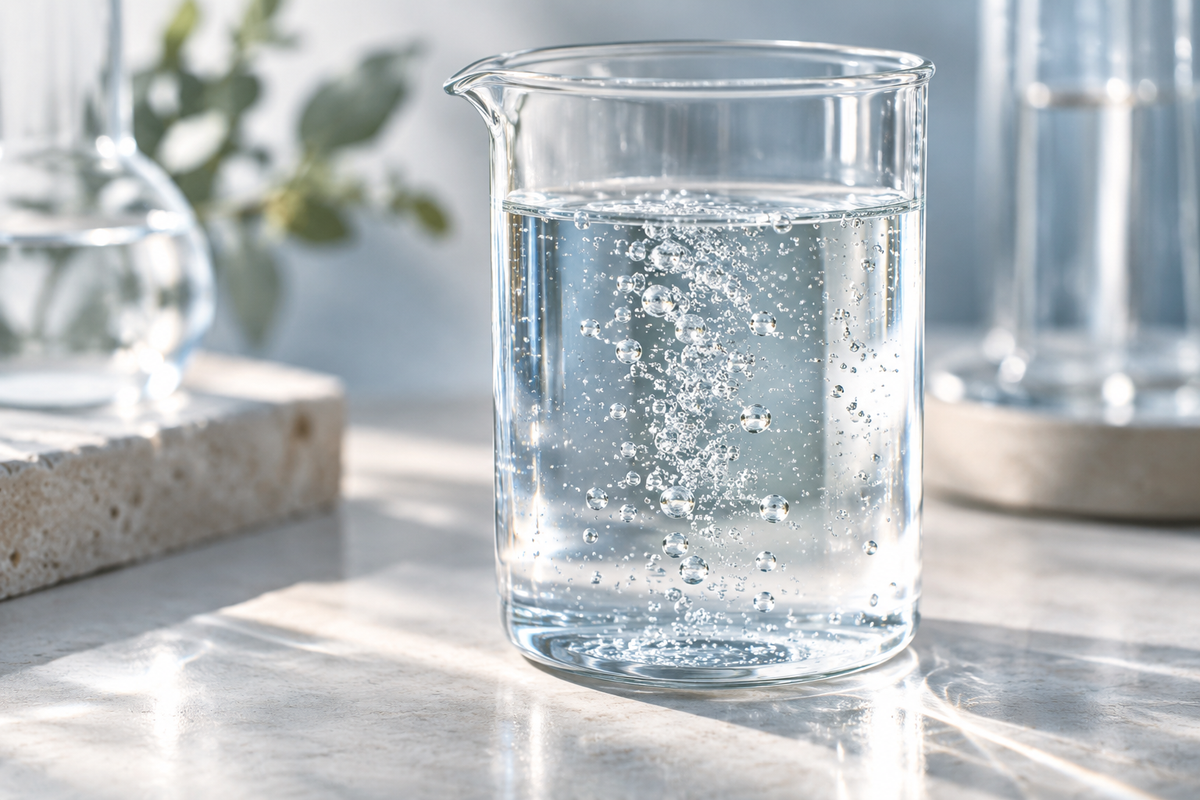
Catalase decomposes hydrogen peroxide into water and oxygen. Select a treatment using the starting peroxide concentration, process conditions and a measured residual-peroxide endpoint; bubbling alone is not a quantitative completion test.

Use the correct reaction

The overall reaction is 2 H₂O₂ → 2 H₂O + O₂. Catalase should not be treated as a universal remover of every chemical described as a peroxide. Confirm the actual oxidant and the suitability of the preparation for the intended process.

Start with a measured concentration

Measure initial hydrogen peroxide using a method suitable for the sample matrix and concentration. Record pH, temperature and batch volume. These values, together with the desired residual level and treatment time, allow an appropriate enzyme trial to be designed.

Allow for gas release and mixing

Oxygen evolution can cause foaming or pressure if the process is not designed for gas release. Use equipment and addition control appropriate to the peroxide concentration and scale. Establish the process on a suitably controlled small trial before increasing the treated volume.

Verify the endpoint analytically

The disappearance of visible bubbles does not prove that the peroxide specification has been met. Use a validated residual-peroxide assay with an appropriate measurement limit. Continued reaction after sampling can distort the result, so define sample handling and analysis timing as part of the method.

Frequently asked questions

Does stopping bubbling mean the peroxide is gone?

No. Use the analytical endpoint rather than appearance.

Can I substitute catalase powder and liquid at equal mass?

Only after checking activity definition, activity concentration and formulation. Product format alone does not establish an equivalent dose.

Troubleshooting

  • Bubbling stops but peroxide remains: assess enzyme activity and assay timing.
  • Foaming disrupts mixing: review controlled addition and gas handling before increasing the scale.

Evidence and scope

These are proposed development comparisons, not validated production recipes or guaranteed performance results. Use current grade-specific technical data for the starting dose and operating conditions. Record the enzyme lot and assay definition, and confirm performance in the finished process before scale-up.

How Much Enzyme Do I Need? Dose Calculations Explained

How to Design an Enzyme Screening Trial That Gives Useful Results

Process development and supply

Share your feedstock, batch size, temperature and pH profile, treatment time and target specification with Scientific & Technical. Select a relevant product below to see current pack sizes, price and availability, and buy online. For blends and kits, confirm the component selection and conditions against your intended application.

Follow each preparation’s technical and safety data sheets, including storage and handling instructions. Avoid generating enzyme dust or aerosols.

Recommended products

Choose the products that match your process. Each card explains its role in this application; you do not need every enzyme in one recipe.

Catalase
Hydrogen peroxide removal

Catalase

Trial metered liquid catalase

  • Start from a measured peroxide concentration
  • Confirm residual peroxide analytically
Catalase (powder)
Dry catalase formulation

Catalase (powder)

Evaluate a powder catalase option

  • Compare on an equivalent activity basis where valid
  • Check dispersion and controlled oxygen release

From £178.99

View sizes & buy

Benefits are application targets; confirm dosage and performance in your finished formulation.

References and supporting evidence

Research and manufacturer examples support the application rationale; they do not establish identical performance for every commercial preparation.

  1. IUBMB enzyme nomenclature: EC 1.11.1.6

    Reaction classification supporting the mechanism discussed; not validation of commercial trial settings.

  2. Scientific & Technical — Catalase

    Current product information; confirm the technical sheet and lot specification for the supplied preparation.

  3. Scientific & Technical — Catalase (powder)

    Current product information; confirm the technical sheet and lot specification for the supplied preparation.