
Beverage Development
Choosing Enzymes for New Drinks: Feedstocks and Timing
Choose enzymes for oat, rice, pulse, nut, fruit and coffee drinks. Match feedstocks, processing stages and trial targets, then shop suitable enzymes.
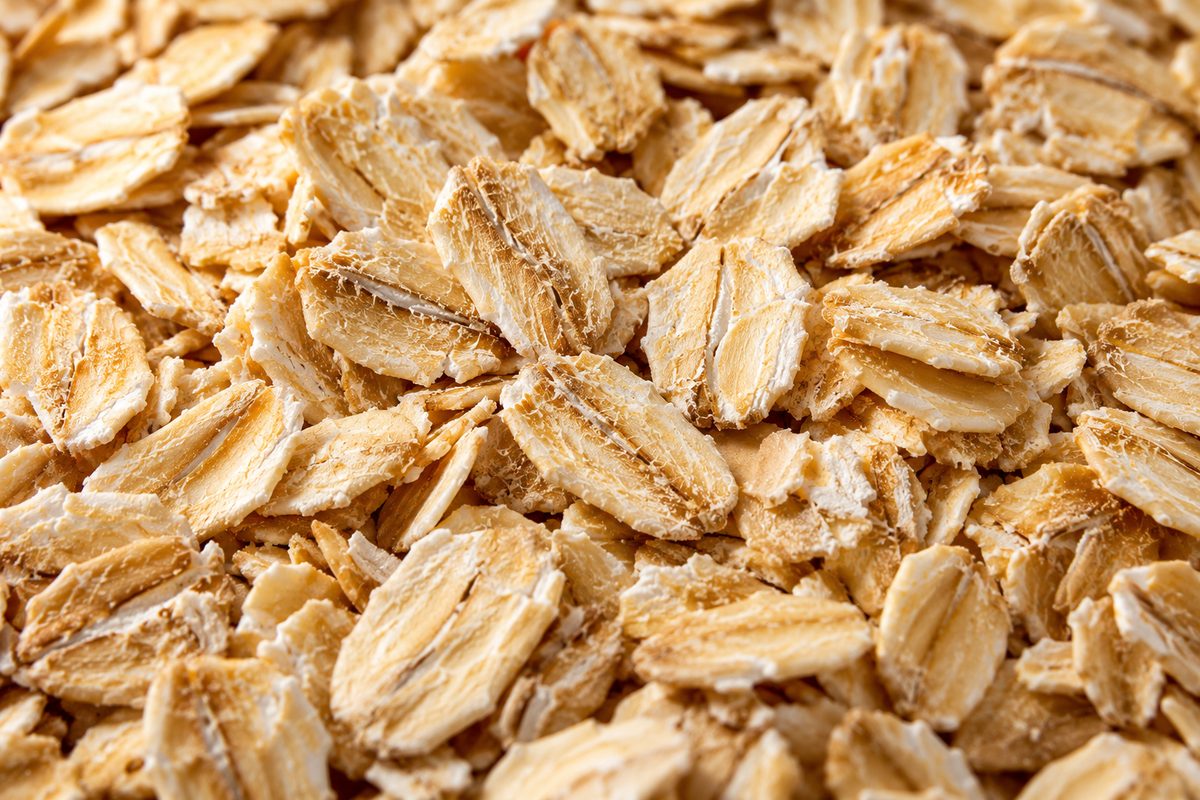
Choose the right enzyme
| Feedstock | Processing target | Enzyme to investigate | What to measure |
|---|---|---|---|
| Oats, rice and other cereals | Starch viscosity and sugar profile | Alpha-amylase; beta-amylase or glucoamylase according to the target sugars | Viscosity, glucose, maltose and sensory body |
| Peas, soy and protein-rich blends | Protein solubility and emulsion behaviour | Protein glutaminase | Soluble protein and stability after formulation and heating |
| Nuts and coconut | A demonstrated cell-wall or protein bottleneck | Cellulase or protein glutaminase only where the relevant substrate is accessible | Recovery, particle size and emulsion stability |
| Fruit mash and juice | Pectin-limited extraction or clarification | Pectinase | Recovery, filtration, cloud and body |
| Coffee and other mannan-rich materials | Mannan or galactomannan breakdown | Mannanase with a compatible operating range | Extraction, viscosity and precipitation; check pH first |
Protein glutaminase changes protein functionality, not total protein content. The listed Scientific & Technical mannanase range is pH 6.0–10.5, which may not suit an acidic coffee extract. Confirm the current product data before trials.
Plan the process
- 1
Prepare the feedstock
Hydrate, mill, cook or disperse as needed to make the target substrate accessible.
- 2
Match the treatment window
Select the grade and set temperature, pH, mixing and dose basis before adding enzyme.
- 3
Sequence and measure
Choose the required sugar or protein outcome. Use separate stages when conditions differ.
- 4
Stop and verify
Validate enzyme inactivation and test the final formulation after its intended processing.
Recommended products
Choose the products that match your process. Each card explains its role in this application; you do not need every enzyme in one recipe.
Starch control and sugar profile
Choose an alpha-amylase grade, then decide whether maltose or glucose production is useful.

alpha-Amylase (medium temp)
Make cereal bases easier to process
- Shortens starch chains to reduce viscosity
- For treatment after cooking and cooling
From £54.99
View sizes & buy
alpha-Amylase (high temp)
Control starch during hotter processing
- Supports viscosity reduction in hot starch stages
- An alternative to the medium-temperature grade
From £74.99
View sizes & buy
beta-Amylase
Develop a maltose-led drink
- Releases maltose from accessible starch chains
- Pair with controlled alpha-amylase liquefaction
From £54.99
View sizes & buy
Glucoamylase
Adjust glucose formation and sweetness
- Converts starch fragments into glucose
- Use when glucose fits your target sugar profile
From £44.99
View sizes & buyProtein functionality
Investigate protein treatment where solubility or emulsion behaviour limits the drink.

Protein Glutaminase
Explore smoother protein dispersions
- Deamidates protein to improve functionality
- Test solubility and emulsion stability
From £174.99
View sizes & buyFruit and plant extraction
Select a cell-wall target that is actually present and accessible in your feedstock.

Pectinase
Manage pectin in fruit drinks
- Investigate improved extraction and filtration
- Control treatment to retain the desired cloud
From £44.99
View sizes & buy
Cellulase
Improve access to plant material
- Targets accessible cellulose in plant cell walls
- Assess extraction alongside fibre and body
From £44.99
View sizes & buy
Mannanase
Explore targeted coffee extraction
- Acts on mannans and galactomannans
- Check pH compatibility before coffee trials
From £74.99
View sizes & buyBenefits are application targets; confirm dosage and performance in your finished formulation.
References and supporting evidence
Research and manufacturer examples support the application rationale; they do not establish identical performance for every commercial preparation.
- Jiang et al. (2015) — Oat protein solubility and emulsion properties improved by enzymatic deamidation
Peer-reviewed oat-protein study supporting the investigation of protein glutaminase for solubility and emulsifying functionality.
- Amano Enzyme — Plant-based beverage applications
Manufacturer examples of enzyme use in plant-based drinks; preparation-specific results require validation when selecting another enzyme grade.
- Novonesis — Pectinex XXL in fruit processing
An example of a pectinase-containing blend used in fruit processing. Its dose and operating conditions should not be transferred directly to another preparation.
- Novonesis — Mannanase in soluble-coffee production
Supports galactomannans as a target in specialised coffee processing. Check the pH and temperature suitability of the selected commercial enzyme.