Food flavour and lipid processing

Food-Grade Lipase: Controlling Fat Hydrolysis and Flavour

Plan food-grade lipase trials for controlled flavour development. Measure fat hydrolysis, fatty-acid profiles and sensory endpoints before finishing.
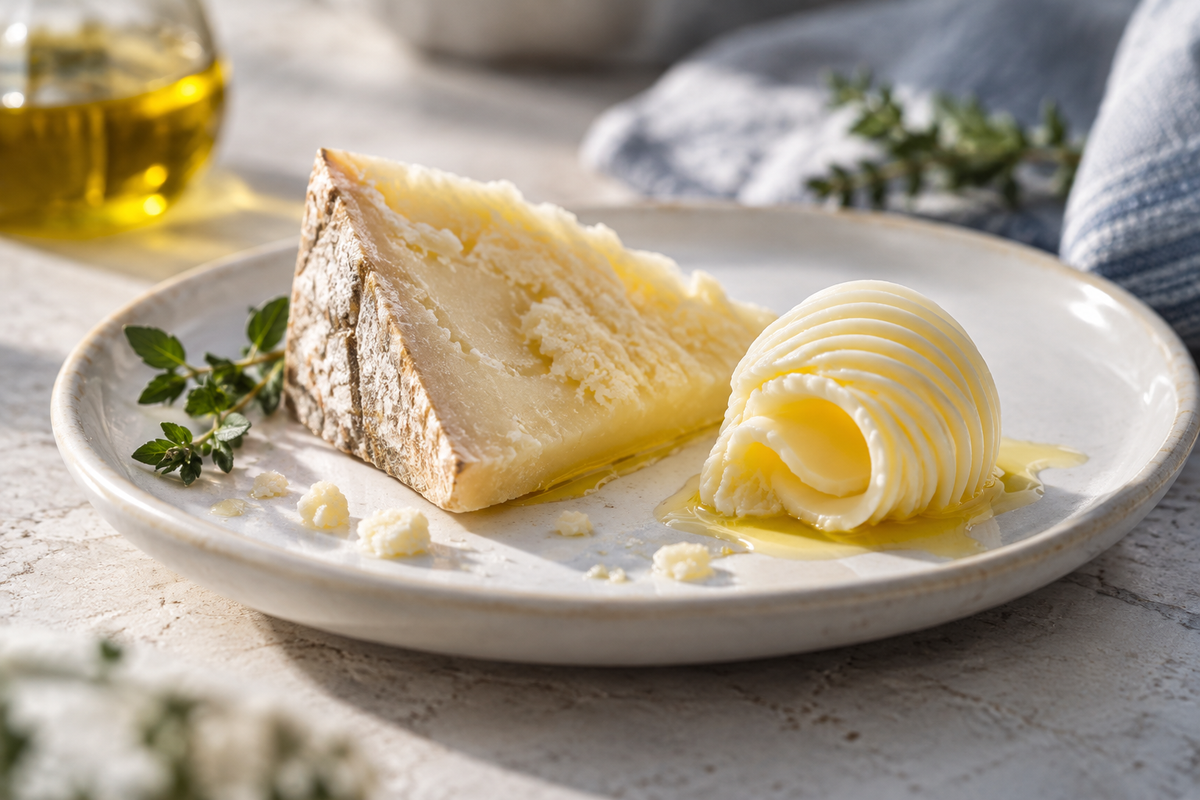
Food-Grade Lipase: Controlling Fat Hydrolysis and Flavour

Choose the right enzyme

FeedstockProcessing targetEnzyme to investigateWhat to measure
Food-fat emulsionDevelop a controlled profileFood-grade lipaseFree fatty acids and sensory result
Different fat sourcesCompare substrate responseSame defined preparationComposition-specific flavour response
Finished foodRetain the chosen endpointValidated stopping and finishingStored flavour and residual activity

These comparisons identify useful development endpoints; they are not universal dose or operating-condition recommendations.

Plan the process

  1. 1

    Standardise the fat matrix

    Prepare matched food-fat samples with controlled dispersion and an untreated reference.

  2. 2

    Compare additions

    Compare supported lipase additions while keeping mixing and temperature consistent.

  3. 3

    Measure flavour development

    Measure lipolysis and assess flavour at several endpoints in the intended finished matrix.

  4. 4

    Validate storage

    Validate finishing and storage so that the selected flavour does not continue changing unexpectedly.

Food lipase can release fatty acids from susceptible fats and oils, changing flavour and processing behaviour. The aim is a controlled profile appropriate to the food, not the maximum possible hydrolysis. Excess treatment can produce an unacceptable flavour.

Consider fat composition and contact

Fatty-acid composition, physical state and the fat–water interface influence the reaction. Standardise emulsification, mixing and temperature when comparing additions. A result in one dairy or plant-fat system does not transfer directly to another. Confirm the supplied food preparation’s activity method and operating conditions; a generic lipase description does not establish positional specificity or the flavour profile it will produce.

Combine chemistry with sensory assessment

Follow a suitable measure of lipolysis and, where needed, individual free fatty acids. Evaluate flavour in the intended finished matrix at matched concentration and serving conditions. Increasing free fatty acids can strengthen desirable notes or lead to rancid, soapy or otherwise unsuitable notes. Analytical conversion and sensory preference should therefore be recorded separately, with an untreated and process-only reference.

Control the endpoint through finishing

Sample several treatment times to locate an acceptable window, then test whether the finishing process stops further change. Heat history, formulation, storage and packaging can affect the final result independently of the enzyme treatment. A food-grade preparation is not interchangeable with a detergent grade. Confirm ingredient suitability, labelling requirements and process documentation for the actual food before moving beyond development trials.

Troubleshooting

  • Chemistry changes but the flavour is unsuitable: compare earlier endpoints and the fatty-acid profile.
  • A good fresh result deteriorates in storage: check residual activity and non-enzymatic oxidation separately.

Common questions

Is more fat hydrolysis always better?

No. The preferred flavour can occur well before maximum hydrolysis.

Can a detergent lipase substitute for this food preparation?

Do not assume equivalence. Grade, formulation, documentation and application suitability must all be appropriate.

Evidence and scope

These are proposed development comparisons, not validated production recipes or guaranteed performance results. Use current grade-specific technical data for the starting dose and operating conditions. Record the enzyme lot and assay definition, and confirm performance in the finished process before scale-up.

CalB for Esterification and Transesterification: A Trial Guide

Papain for Protein Hydrolysis: Tenderisation and Endpoint Control

How to Design an Enzyme Screening Trial That Gives Useful Results

Process development and supply

Share your feedstock, batch size, temperature and pH profile, treatment time and target specification with Scientific & Technical. Select a relevant product below to see current pack sizes, price and availability, and buy online. For blends and kits, confirm the component selection and conditions against your intended application.

Follow each preparation’s technical and safety data sheets, including storage and handling instructions. Avoid generating enzyme dust or aerosols.

Recommended products

Choose the products that match your process. Each card explains its role in this application; you do not need every enzyme in one recipe.

Lipase
Food flavour development

Lipase

Control fat hydrolysis

  • Compare fatty-acid release with sensory quality
  • Validate the desired flavour through storage

From £178.99

View sizes & buy

Benefits are application targets; confirm dosage and performance in your finished formulation.

References and supporting evidence

Research and manufacturer examples support the application rationale; they do not establish identical performance for every commercial preparation.

  1. IUBMB enzyme nomenclature — EC 3.1.1.3

    Reaction classification supporting the mechanism discussed; a family example where applicable, not confirmation of the supplied preparation’s exact activity profile or process settings.

  2. Scientific & Technical — Lipase

    Current product information; confirm the technical sheet, intended-use documentation and lot specification for the supplied preparation.