Baking and dough development

Lipase in Baking: Dough Stability, Volume and Trial Design

Test baker's lipase for dough stability and bread volume using controlled flour, fat and process conditions. Assess benefits before replacing emulsifiers.
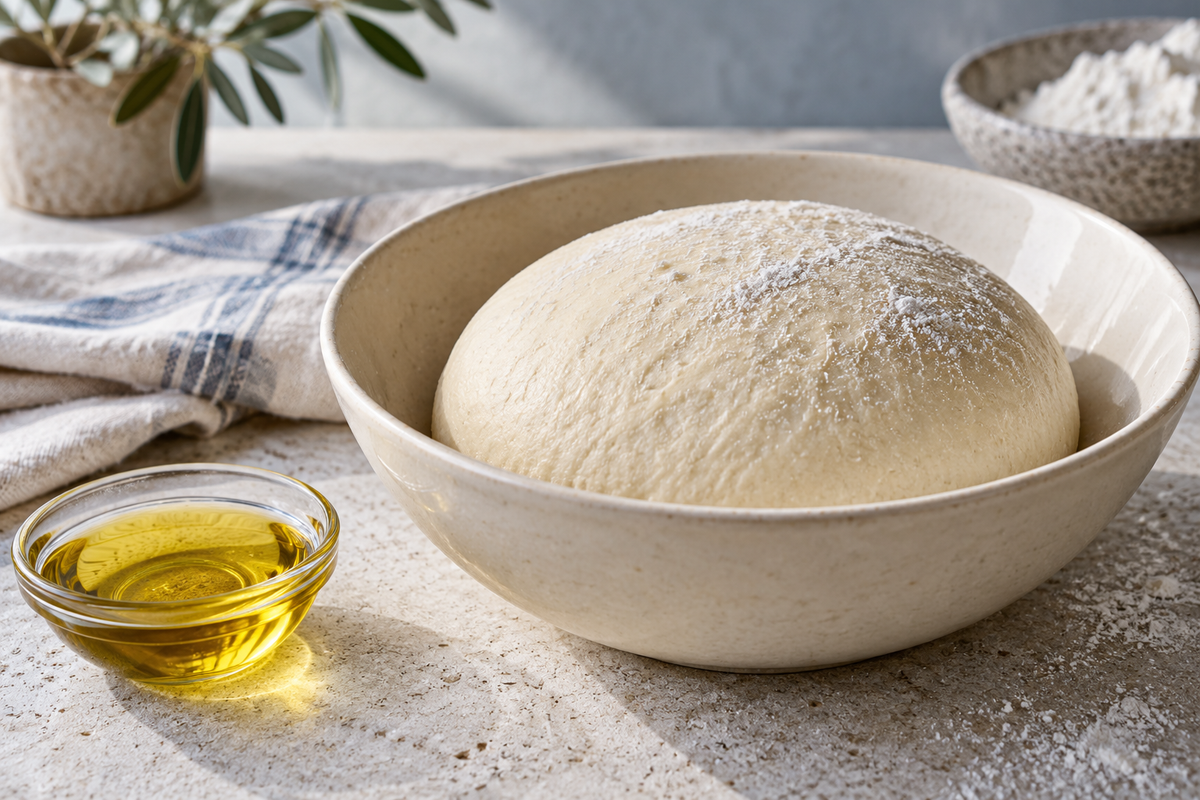
Lipase in Baking: Dough Stability, Volume and Trial Design

Choose the right enzyme

FeedstockProcessing targetEnzyme to investigateWhat to measure
Lean bread doughImprove processing toleranceBaker’s LipaseHandling and proof stability
Existing emulsifier recipeEvaluate partial replacementControlled comparisonVolume, crumb and robustness
Enriched doughCheck recipe dependenceRecipe-specific lipase trialFat interactions and texture

These comparisons identify useful development endpoints; they are not universal dose or operating-condition recommendations.

Plan the process

  1. 1

    Standardise the recipe

    Prepare matched doughs using one flour lot, fixed fat and hydration, and the current process.

  2. 2

    Compare additions

    Screen accurately weighed additions within the product-supported range against a no-enzyme control.

  3. 3

    Assess proofing

    Record dough handling, proof tolerance, loaf volume and cooled crumb properties.

  4. 4

    Measure baked quality

    Repeat the chosen condition in the intended emulsifier-reduction recipe and assess stored quality.

Baker’s Lipase is a candidate for improving dough and bread performance through changes to the flour lipid system. Its usefulness should be judged in the complete recipe, especially when comparing it with an existing emulsifier or improver.

Keep the flour and lipid system consistent

Use one flour lot and a fixed recipe for the first screen. Flour lipids, added fats and mixing history all contribute to the response. Compare enzyme treatment with an untreated control before altering hydration or replacing another ingredient. A result obtained in lean dough should not be assumed for an enriched recipe with a different fat system.

Dose the formulated product accurately

The current bakery listing gives a product addition of 3–30 mg per kg flour. This is a range for that formulation, not a universal lipase dose. Small laboratory batches require a balance or a validated premix capable of delivering milligram quantities evenly. Record the flour basis and retain the same carrier addition in controls where it could influence the comparison.

Test a replacement claim directly

If the goal is to reduce DATEM or another improver, include the current recipe, the reduced-improver recipe without lipase, and the same reduced recipe with lipase. Assess mixing tolerance, stickiness, proof stability, loaf volume and crumb. Do not infer equivalent performance from loaf volume alone, and check the result after normal cooling, packaging and storage.

Troubleshooting

  • Variable loaves: inspect enzyme weighing and premix distribution.
  • Volume improves but crumb worsens: reassess the complete quality target and dose.

Common questions

Is lipase automatically a one-for-one DATEM replacement?

No. Compare the reduced-emulsifier recipe directly against the existing standard.

Can I weigh a tiny dose by eye?

No. Use suitable weighing and a validated method for even distribution.

Evidence and scope

These are proposed development comparisons, not validated production recipes or guaranteed performance results. Use current grade-specific technical data for the starting dose and operating conditions. Record the enzyme lot and assay definition, and confirm performance in the finished process before scale-up.

Amylase, Xylanase and Cellulase in Baking: Different Jobs in Dough

Choosing Bread Improver Enzymes: Blend or Individual Components?

How to Design an Enzyme Screening Trial That Gives Useful Results

Process development and supply

Share your feedstock, batch size, temperature and pH profile, treatment time and target specification with Scientific & Technical. Select a relevant product below to see current pack sizes, price and availability, and buy online. For blends and kits, confirm the component selection and conditions against your intended application.

Follow each preparation’s technical and safety data sheets, including storage and handling instructions. Avoid generating enzyme dust or aerosols.

Recommended products

Choose the products that match your process. Each card explains its role in this application; you do not need every enzyme in one recipe.

Baker's Lipase
Dough lipid modification

Baker's Lipase

Evaluate improved dough tolerance

  • Compare stability through proofing
  • Measure volume and crumb in the intended recipe

Benefits are application targets; confirm dosage and performance in your finished formulation.

References and supporting evidence

Research and manufacturer examples support the application rationale; they do not establish identical performance for every commercial preparation.

  1. Scientific & Technical — Baker's Lipase

    Current product information; confirm the technical sheet, intended-use documentation and lot specification for the supplied preparation.