Baking

Maltogenic Amylase for Bread Softness: A Practical Trial Guide

Evaluate maltogenic amylase for bread crumb softness with controlled baking and storage trials, dosage calculations and texture measurements.
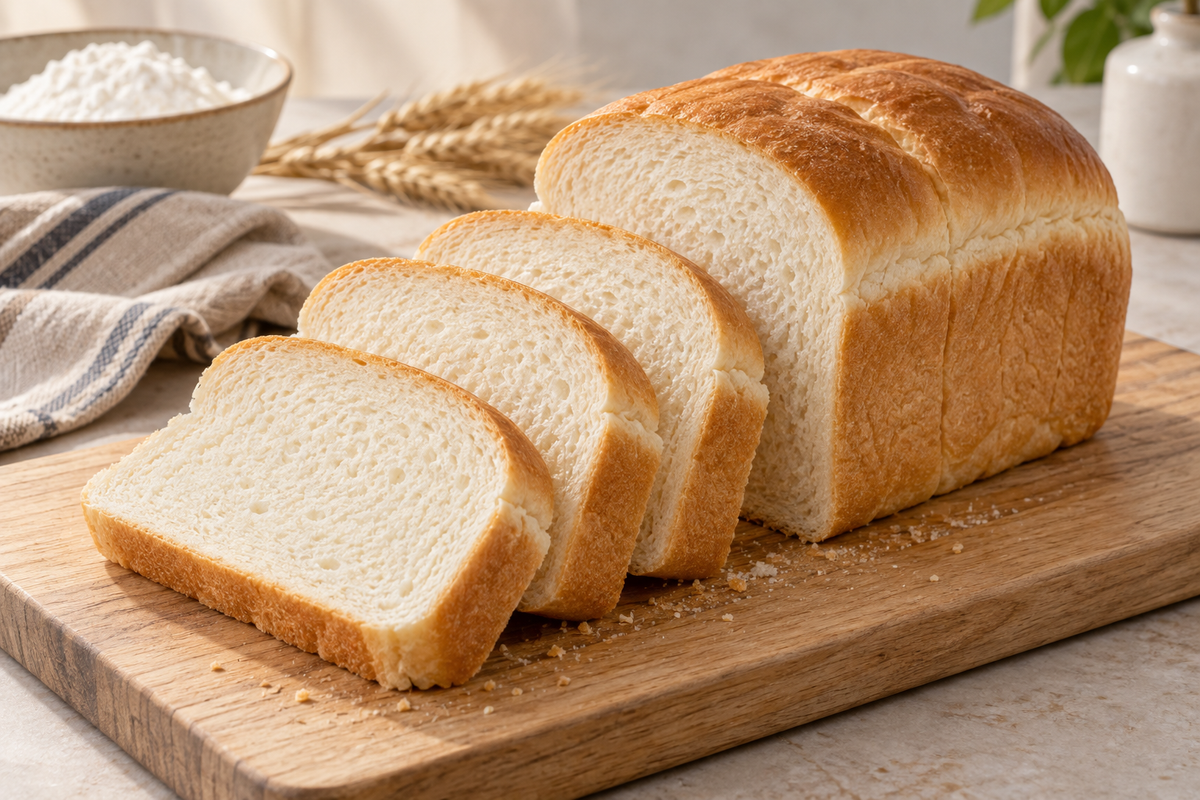
Maltogenic Amylase for Bread Softness: A Practical Trial Guide

Choose the right enzyme

FeedstockProcessing targetEnzyme to investigateWhat to measure
Bread flour formulationRetain crumb softnessBaker's MaltogenaseFirmness and resilience during storage
White loaf developmentCompare a broader baking blendBaker's White LoafVolume, crumb and handling
Packaged finished breadSeparate texture from preservationSelected treatment with matched packagingMoisture, sensory and shelf-life checks

Plan the process

  1. 1

    Design the bake comparison

    Use one flour lot and compare a control with selected additions within current product guidance.

  2. 2

    Hold the recipe constant

    Keep water addition, mixing, proofing, bake endpoint, cooling and packaging constant.

  3. 3

    Measure stored crumb

    Measure equivalent crumb locations using the same instrument or defined practical texture method.

  4. 4

    Repeat the selected bake

    Repeat the chosen recipe in another bake and assess the full intended storage period.

Maltogenic amylase is a candidate for improving the retention of bread crumb softness. Assess its value across the intended storage period, with consistent baking and packaging, rather than judging only a freshly baked loaf.

Softness is a storage outcome

Measure crumb texture after cooling and at several points during storage. Packaging, water loss, flour and the baking profile can all change the result. Assess both crumb firmness and resilience. A texture result in one recipe does not establish a shelf-life extension for another.

Use the product-specific addition rate

The current Scientific & Technical Baker’s Maltogenase listing gives 3–30 mg product per kg flour. For 10 kg flour this corresponds to 30–300 mg product, or 0.03–0.30 g. Confirm the current specification before use. Such small quantities require an appropriate balance and a controlled method for distributing the preparation through the flour.

Check the preparation as well as the enzyme

The listed formulation contains wheat (gluten). Account for the complete ingredient preparation when assessing recipe suitability. Do not transfer the dosage to another commercial maltogenic-amylase product without checking activity, carrier and application guidance.

Balance softness with handling and eating quality

A useful trial measures loaf volume, slicing behaviour, crumb resilience and sensory properties as well as firmness. Select the lowest addition that meets the agreed quality target. A texture benefit does not establish microbiological shelf life or replace packaging and preservation validation.

Frequently asked questions

Does softer bread mean a longer safe shelf life?

No. Texture retention and microbiological shelf life are separate endpoints.

Can I use ordinary alpha-amylase at the same dose?

No. The enzyme type, activity and preparation differ; use guidance for the specific bakery product.

Troubleshooting

  • Fresh bread is acceptable but firms rapidly: compare moisture loss, packaging and stored texture.
  • The crumb becomes difficult to slice: compare lower additions and inspect the complete baking process.

Evidence and scope

These are proposed development comparisons, not validated production recipes or guaranteed performance results. Use current grade-specific technical data for the starting dose and operating conditions. Record the enzyme lot and assay definition, and confirm performance in the finished process before scale-up.

How Much Enzyme Do I Need? Dose Calculations Explained

How to Design an Enzyme Screening Trial That Gives Useful Results

Process development and supply

Share your feedstock, batch size, temperature and pH profile, treatment time and target specification with Scientific & Technical. Select a relevant product below to see current pack sizes, price and availability, and buy online. For blends and kits, confirm the component selection and conditions against your intended application.

Follow each preparation’s technical and safety data sheets, including storage and handling instructions. Avoid generating enzyme dust or aerosols.

Recommended products

Choose the products that match your process. Each card explains its role in this application; you do not need every enzyme in one recipe.

Baker's Maltogenase
Crumb softness

Baker's Maltogenase

Investigate softness retention

  • Use the product-specific flour-based addition
  • Measure texture across the intended storage period
Baker's White Loaf
White-loaf development

Baker's White Loaf

Compare a formulated bakery blend

  • Keep flour, proofing and baking consistent
  • Assess loaf volume, crumb and slicing quality

Benefits are application targets; confirm dosage and performance in your finished formulation.

References and supporting evidence

Research and manufacturer examples support the application rationale; they do not establish identical performance for every commercial preparation.

  1. IUBMB enzyme nomenclature: EC 3.2.1.133

    Reaction classification supporting the mechanism discussed; not validation of commercial trial settings.

  2. Scientific & Technical — Baker's Maltogenase

    Current product information; confirm the technical sheet and lot specification for the supplied preparation.

  3. Scientific & Technical — Baker's White Loaf

    Current product information; confirm the technical sheet and lot specification for the supplied preparation.