Legume and plant-protein processing

Alpha-Galactosidase for Legumes: Measuring Raffinose and Stachyose

Develop alpha-galactosidase trials for legume ingredients. Measure raffinose and stachyose reduction while checking processing, flavour and functionality.
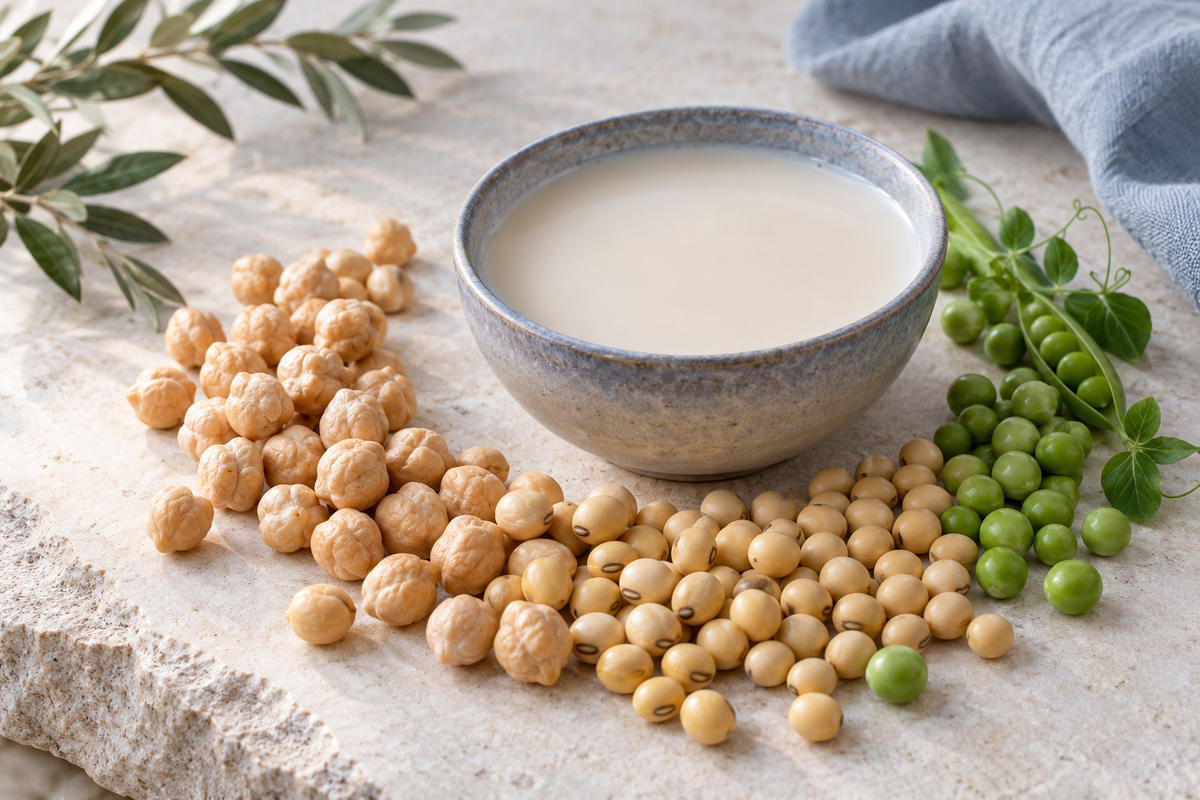
Alpha-Galactosidase for Legumes: Measuring Raffinose and Stachyose

Choose the right enzyme

FeedstockProcessing targetEnzyme to investigateWhat to measure
Legume slurryReduce susceptible oligosaccharidesAlpha-galactosidaseRaffinose and stachyose
Plant-protein extractRetain useful functionalityControlled treatment and stoppingProtein recovery and finished performance
Mixed carbohydratesConfirm reaction specificitySubstrate-specific testingResolved sugar profile

These comparisons identify useful development endpoints; they are not universal dose or operating-condition recommendations.

Plan the process

  1. 1

    Measure starting sugars

    Measure raffinose and stachyose in one representative hydrated legume batch.

  2. 2

    Compare treatment

    Compare no enzyme with supported additions at a single practical processing stage.

  3. 3

    Track individual sugars

    Track the individual oligosaccharides and galactose, checking analytical recovery in the matrix.

  4. 4

    Assess the ingredient

    Finish the ingredient and confirm residual sugars, flavour and application functionality.

Alpha-galactosidase can remove terminal alpha-linked galactose from susceptible carbohydrates such as raffinose-family oligosaccharides. For legume ingredients, success should be defined by a measured residual sugar profile and acceptable finished-product quality.

Identify the carbohydrate target

Raffinose and stachyose vary with species, cultivar and processing. Measure the starting concentrations in the actual legume flour, slurry or extract before choosing a target. Follow the individual oligosaccharides and released galactose during treatment. A total-sugar reading can remain similar even when the composition changes substantially, and does not establish that the target compounds have been reduced.

Choose a stage with good contact

Hydration, milling and extraction influence access to soluble carbohydrates. Compare enzyme addition after consistent preparation with a process-only control, keeping solids and mixing fixed. Select pH and temperature from the current grade’s technical information. A treatment that works in a dilute extract may need a different contact time in a concentrated protein slurry; confirm the result at the intended processing solids.

Check what the finished ingredient retains

Assess flavour, colour, protein recovery and the functionality needed by the final food alongside the sugar target. Include the effect of heating or another validated stopping step. Alpha-galactosidase does not replace lactase for lactose hydrolysis or a protease for protein treatment. A measured reduction in raffinose-family sugars does not by itself establish a digestive-health benefit or support a consumer claim.

Troubleshooting

  • Total sugar hardly changes: measure individual oligosaccharides instead.
  • Dilute extract responds but concentrated slurry does not: check access, mixing and matrix effects.

Common questions

Is this the same as lactase?

No. Lactase targets lactose, whereas alpha-galactosidase acts on suitable alpha-galactosidic linkages.

Can I claim improved digestion from the trial?

A composition trial alone does not establish a health outcome. Claims require appropriate separate evidence and review.

Evidence and scope

These are proposed development comparisons, not validated production recipes or guaranteed performance results. Use current grade-specific technical data for the starting dose and operating conditions. Record the enzyme lot and assay definition, and confirm performance in the finished process before scale-up.

Amylase, Xylanase and Cellulase in Baking: Different Jobs in Dough

Choosing Enzymes for New Drinks: Feedstocks and Timing

Process development and supply

Share your feedstock, batch size, temperature and pH profile, treatment time and target specification with Scientific & Technical. Select a relevant product below to see current pack sizes, price and availability, and buy online. For blends and kits, confirm the component selection and conditions against your intended application.

Follow each preparation’s technical and safety data sheets, including storage and handling instructions. Avoid generating enzyme dust or aerosols.

Recommended products

Choose the products that match your process. Each card explains its role in this application; you do not need every enzyme in one recipe.

alpha-Galactosidase
Legume processing

alpha-Galactosidase

Target susceptible raffinose-family sugars

  • Measure raffinose and stachyose individually
  • Retain the required flavour and protein functionality

Benefits are application targets; confirm dosage and performance in your finished formulation.

References and supporting evidence

Research and manufacturer examples support the application rationale; they do not establish identical performance for every commercial preparation.

  1. IUBMB enzyme nomenclature — EC 3.2.1.22

    Reaction classification supporting the mechanism discussed; a family example where applicable, not confirmation of the supplied preparation’s exact activity profile or process settings.

  2. Scientific & Technical — alpha-Galactosidase

    Current product information; confirm the technical sheet, intended-use documentation and lot specification for the supplied preparation.