Education and enzyme assays

Amylase and Starch: Designing a Clear Classroom Experiment

Plan an amylase classroom experiment with iodine controls, timed sampling and clear interpretation of starch breakdown and refractometer readings.
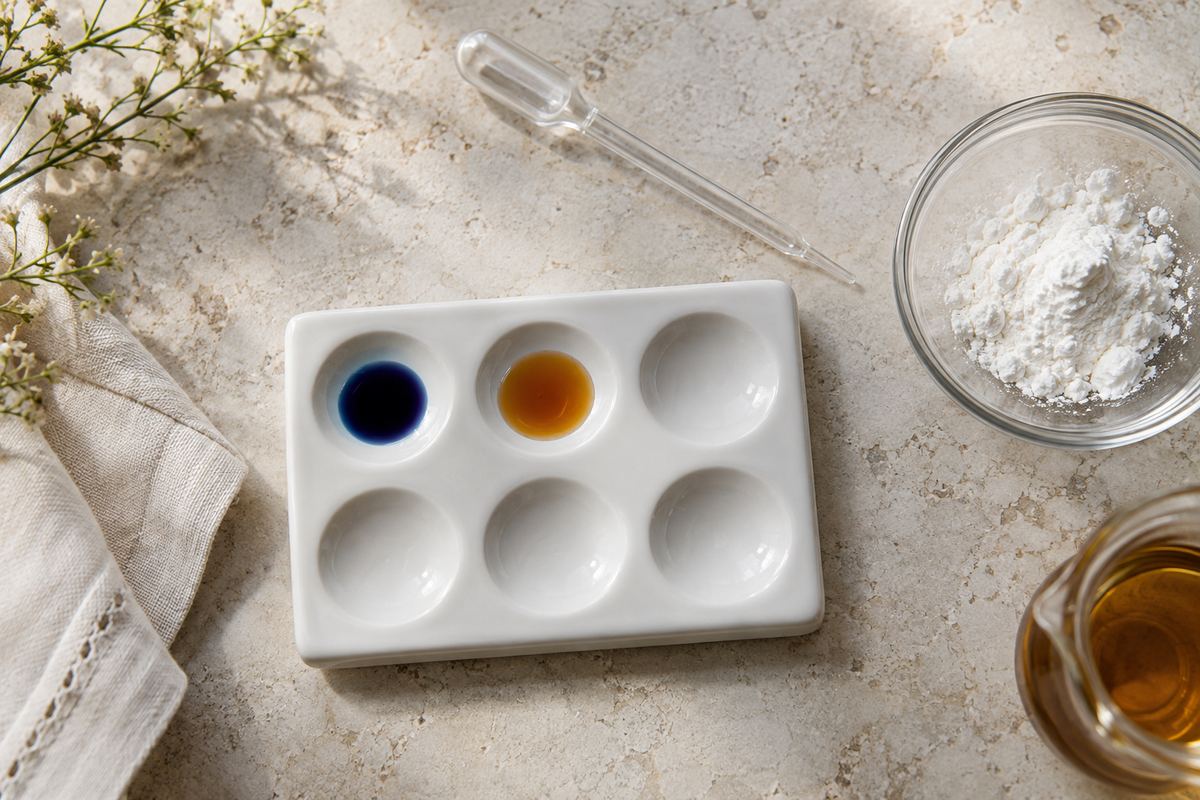
Amylase and Starch: Designing a Clear Classroom Experiment

Choose the right enzyme

FeedstockProcessing targetEnzyme to investigateWhat to measure
Starch suspensionObserve chain breakdownAmylase plus iodine samplingColour change with time
Matched untreated starchControl for heatingWater in place of enzymePersistence of starch response
Dissolved sampleObserve soluble solidsRefractometer comparisonRelative reading, not glucose identity

These comparisons identify useful development endpoints; they are not universal dose or operating-condition recommendations.

Plan the process

  1. 1

    Prepare matched samples

    Prepare the starch suspension according to the kit instructions and label treatment and control vessels.

  2. 2

    Start the reaction

    Add equal sample volumes; add enzyme only to the treatment and start timing immediately.

  3. 3

    Sample consistently

    Transfer matched timed samples to separate iodine wells and record the colour consistently.

  4. 4

    Compare the evidence

    Repeat one selected condition, compare the control, and explain what the observations do and do not measure.

A clear amylase demonstration follows the disappearance of iodine-reactive starch while controlling temperature, sampling and enzyme addition. It teaches reaction progress well when students distinguish the starch test from a measurement of glucose or total sugar.

Give each test a specific meaning

Iodine colour depends on the starch structures present. A fading blue-black response supports starch breakdown under the test conditions, but does not identify the products as glucose. A refractometer responds to dissolved material; it cannot distinguish maltose, glucose and dextrins. Use these as complementary observations and avoid converting the reading directly into an unvalidated sugar yield.

Use simple, visible controls

Prepare a starch-plus-water control and an enzyme-treated starch sample from the same batch. Include an iodine-only reference and an enzyme blank where background colour matters. Keep the sample and iodine quantities identical. Label wells before starting and use separate clean pipettes to avoid carrying active enzyme into the control. Photograph colours with the same lighting and background.

Change one variable at a time

For a temperature experiment, bring equal starch samples to their intended temperatures before adding enzyme and starting the clock. For a dose experiment, hold temperature constant and keep final liquid volumes equal. Follow the educational kit instructions for starch preparation and handling. Heated starch, iodine and enzyme solutions require the stated adult supervision and protective equipment; samples are not for tasting.

Troubleshooting

  • Both samples lose colour immediately: check dilution and accidental enzyme transfer.
  • No change in the treated sample: check starch preparation, temperature and the timing of enzyme addition.

Common questions

Does a negative iodine test mean all starch became glucose?

No. Shorter starch fragments may give little iodine colour while remaining as dextrins or other carbohydrates.

Why should the control contain the same liquid volume?

Different dilution changes both colour intensity and reaction conditions, making the comparison ambiguous.

Evidence and scope

These are proposed development comparisons, not validated production recipes or guaranteed performance results. Use current grade-specific technical data for the starting dose and operating conditions. Record the enzyme lot and assay definition, and confirm performance in the finished process before scale-up.

How to Compare Amylase Grades in a Screening Trial

How to Design an Enzyme Screening Trial That Gives Useful Results

Process development and supply

Share your feedstock, batch size, temperature and pH profile, treatment time and target specification with Scientific & Technical. Select a relevant product below to see current pack sizes, price and availability, and buy online. For blends and kits, confirm the component selection and conditions against your intended application.

Follow each preparation’s technical and safety data sheets, including storage and handling instructions. Avoid generating enzyme dust or aerosols.

Recommended products

Choose the products that match your process. Each card explains its role in this application; you do not need every enzyme in one recipe.

Benefits are application targets; confirm dosage and performance in your finished formulation.

References and supporting evidence

Research and manufacturer examples support the application rationale; they do not establish identical performance for every commercial preparation.

  1. IUBMB enzyme nomenclature — EC 3.2.1.1

    Reaction classification supporting the mechanism discussed; a family example where applicable, not confirmation of the supplied preparation’s exact activity profile or process settings.

  2. Scientific & Technical — Educational Enzyme Kit - Amylase

    Current product information; confirm the technical sheet, intended-use documentation and lot specification for the supplied preparation.