
Cleaning
Amylase for Starch Stains: A Detergent Development Guide
Test detergent amylase on starch-based food residues. Compare cooking history, wash conditions, enzyme dose and finished-formulation stability.
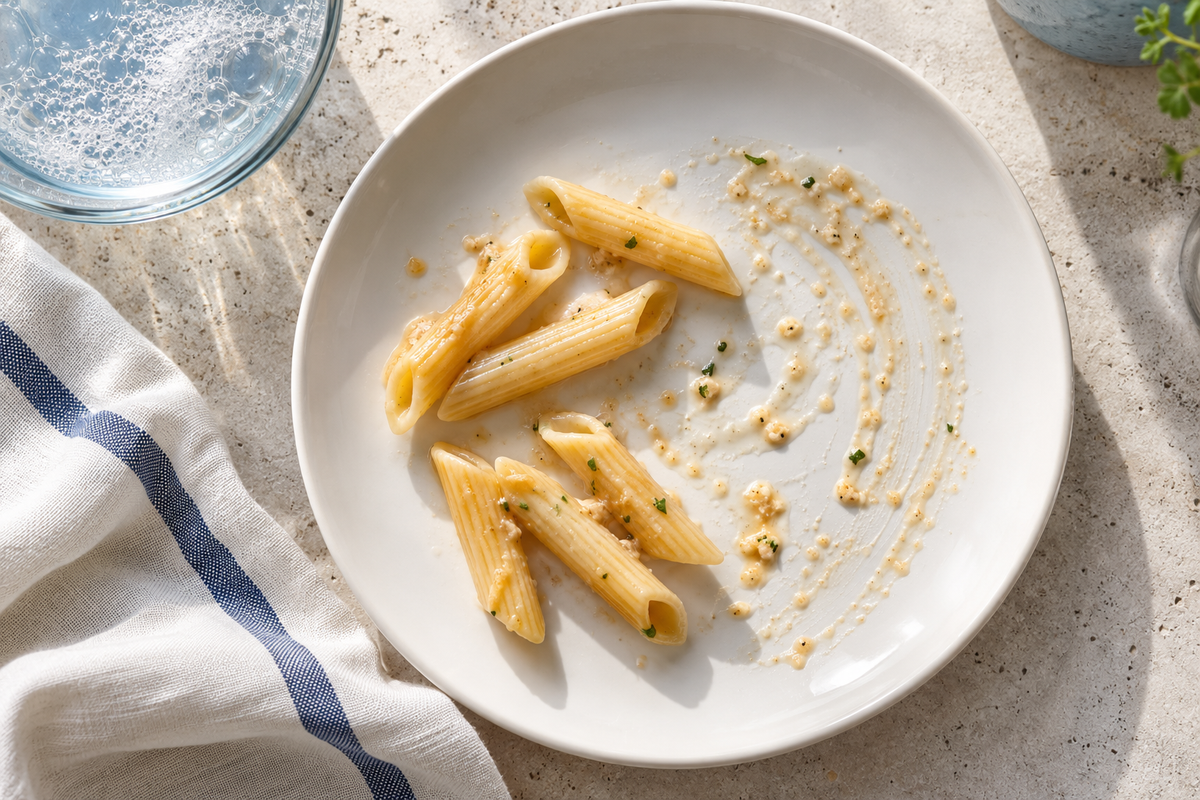
Choose the right enzyme
| Feedstock | Processing target | Enzyme to investigate | What to measure |
|---|---|---|---|
| Starchy food stains | Break down starch residues | Detergent amylase | Removal at intended wash dilution |
| Powder detergent system | Assess a dry enzyme format | Amylase on cellulose powder | Dispersion and stored performance |
| Starch with fat or protein | Address mixed food residue | Detergent enzyme blend | Complete stain-panel result |
Plan the process
- 1
Prepare representative stains
Prepare a standard starch stain and a relevant mixed-food stain.
- 2
Screen inclusion levels
Compare base detergent without enzyme against supported amylase inclusion levels.
- 3
Measure after rinsing
Measure cleaning after the intended contact time and rinse, using replicated samples.
- 4
Test storage and materials
Check storage-aged formulations and any sensitive materials before choosing the final enzyme level.
Recommended products
Choose the products that match your process. Each card explains its role in this application; you do not need every enzyme in one recipe.

Amylase (detergent)
Target starchy food residues
- Use representative cooked and aged stains
- Compare removal after the intended rinse
From £54.99
View sizes & buy
Detergent Enzymes (blend)
Compare complementary cleaning activities
- Evaluate against the complete stain panel
- Check wash performance after formulation storage
From £84.99
View sizes & buy
Amylase (cellulose powder)
Trial a powder amylase format
- Establish uniform dispersion and end-use dilution
- Check stored cleaning performance
From £54.99
View sizes & buyBenefits are application targets; confirm dosage and performance in your finished formulation.
References and supporting evidence
Research and manufacturer examples support the application rationale; they do not establish identical performance for every commercial preparation.
- IUBMB enzyme nomenclature: EC 3.2.1.1
Reaction classification supporting the mechanism discussed; not validation of commercial trial settings.
- Scientific & Technical — Amylase (detergent)
Current product information; confirm the technical sheet and lot specification for the supplied preparation.
- Scientific & Technical — Detergent Enzymes (blend)
Current product information; confirm the technical sheet and lot specification for the supplied preparation.
- Scientific & Technical — Amylase (cellulose powder)
Current product information; confirm the technical sheet and lot specification for the supplied preparation.