Biomass and phenolic recovery

Feruloyl Esterase with Xylanase: Testing Biomass Accessibility

Test feruloyl esterase with xylanase using controlled biomass comparisons. Measure ferulic acid, carbohydrate release and the value of the combination.
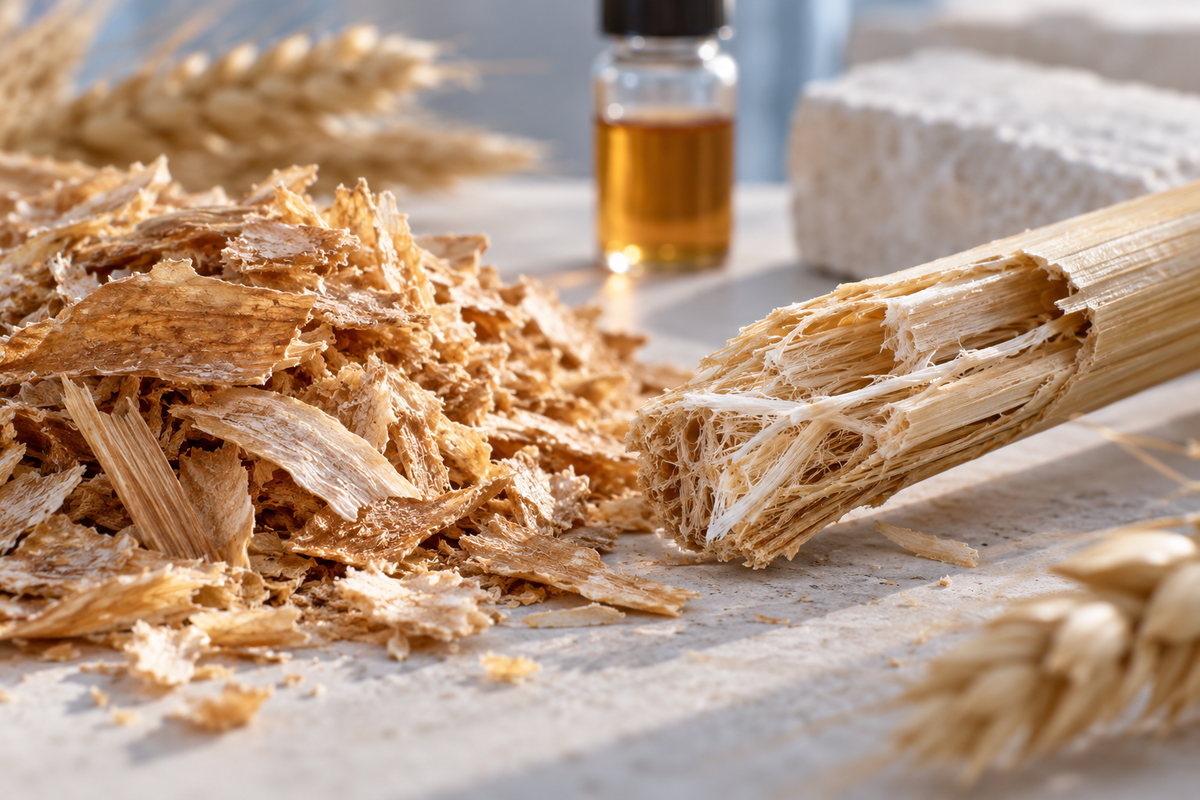
Feruloyl Esterase with Xylanase: Testing Biomass Accessibility

Choose the right enzyme

FeedstockProcessing targetEnzyme to investigateWhat to measure
Cereal branRelease ester-linked ferulateFeruloyl esteraseSpecific ferulic-acid analysis
Arabinoxylan-rich residueTest complementary accessEsterase with xylanaseIncrement over either enzyme alone
Biomass hydrolysateConfirm downstream valueSelected combinationRecovery, fermentation or purification

These comparisons identify useful development endpoints; they are not universal dose or operating-condition recommendations.

Plan the process

  1. 1

    Prepare the biomass

    Prepare one characterised cereal-residue batch with consistent particle size and dry solids.

  2. 2

    Run four treatments

    Run no-enzyme, esterase-only, xylanase-only and combination treatments at matched conditions.

  3. 3

    Measure useful products

    Measure ferulic acid and relevant carbohydrate products over time with suitable analytical blanks.

  4. 4

    Compare incremental value

    Compare the incremental recovery and downstream result against the extra enzyme and processing cost.

Feruloyl esterase can cleave susceptible ester linkages that attach ferulate to plant-wall carbohydrates. Its contribution depends on the biomass and the surrounding enzyme system. A controlled combination trial is the clearest way to identify a useful benefit.

Match the mechanism to the material

Cereal bran and related residues can contain ester-linked ferulate associated with arabinoxylan. Feruloyl esterase targets susceptible ester bonds; it is not a general lignin-removal treatment and does not itself establish extensive cellulose hydrolysis. Characterise the feedstock and use a positive-control substrate where possible. Different residues, pretreatments and enzyme preparations can give very different accessibility and product profiles.

Use a four-way comparison

Compare no enzyme, feruloyl esterase alone, xylanase alone and their combination while holding substrate, pH, temperature and sampling constant. Keep the xylanase addition unchanged when evaluating the incremental contribution of the esterase. Compare simultaneous and sequential treatment only after confirming compatible conditions. A combination that exceeds the untreated control has not necessarily outperformed either individual enzyme or justified its additional cost.

Measure the desired product directly

For ferulic-acid recovery, use a selective analytical method and account for extraction and purification losses. For carbohydrate processing, track relevant sugars, residual solids and downstream performance as well as phenolic release. Total phenolics alone cannot establish ferulic-acid yield. Released compounds may change the behaviour of later fermentation or purification, so test the selected hydrolysate in its intended next stage.

Troubleshooting

  • The combination adds little value: check whether ester linkages limit the chosen endpoint.
  • Phenolic release increases but fermentation worsens: assess hydrolysate composition and downstream compatibility.

Common questions

Does this replace a delignification process?

No. Cleaving susceptible feruloyl esters is a narrower mechanism than general lignin removal.

Does higher total phenolics mean higher ferulic-acid yield?

Not necessarily. Use an analytical method that identifies and quantifies the target compound.

Evidence and scope

These are proposed development comparisons, not validated production recipes or guaranteed performance results. Use current grade-specific technical data for the starting dose and operating conditions. Record the enzyme lot and assay definition, and confirm performance in the finished process before scale-up.

Liquid or Powder Xylanase: Activity, Dosing and Process Selection

Plant Biomass Enzyme Blends: Matching Treatment to the Residue

How to Design an Enzyme Screening Trial That Gives Useful Results

Process development and supply

Share your feedstock, batch size, temperature and pH profile, treatment time and target specification with Scientific & Technical. Select a relevant product below to see current pack sizes, price and availability, and buy online. For blends and kits, confirm the component selection and conditions against your intended application.

Follow each preparation’s technical and safety data sheets, including storage and handling instructions. Avoid generating enzyme dust or aerosols.

Recommended products

Choose the products that match your process. Each card explains its role in this application; you do not need every enzyme in one recipe.

Feruloyl Esterase
Biomass ester cleavage

Feruloyl Esterase

Target accessible feruloyl linkages

  • Test the incremental value alongside xylanase
  • Quantify ferulic acid and useful downstream recovery

From £248.99

View sizes & buy
Xylanase
Complementary xylan treatment

Xylanase

Test the contribution alongside esterase

  • Compare xylanase alone with the combination
  • Measure incremental carbohydrate release and downstream value

Benefits are application targets; confirm dosage and performance in your finished formulation.

References and supporting evidence

Research and manufacturer examples support the application rationale; they do not establish identical performance for every commercial preparation.

  1. IUBMB enzyme nomenclature — EC 3.1.1.73

    Reaction classification supporting the mechanism discussed; a family example where applicable, not confirmation of the supplied preparation’s exact activity profile or process settings.

  2. IUBMB enzyme nomenclature — EC 3.2.1.8

    Reaction classification supporting the mechanism discussed; a family example where applicable, not confirmation of the supplied preparation’s exact activity profile or process settings.

  3. Scientific & Technical — Feruloyl Esterase

    Current product information; confirm the technical sheet, intended-use documentation and lot specification for the supplied preparation.

  4. Scientific & Technical — Xylanase

    Current product information; confirm the technical sheet, intended-use documentation and lot specification for the supplied preparation.