Biomass conversion

Plant Biomass Enzyme Blends: Matching Treatment to the Residue

Match plant biomass enzyme blends to residue composition and pretreatment. Measure sugar release, residual solids and downstream process performance.
Plant Biomass Enzyme Blends: Matching Treatment to the Residue

Choose the right enzyme

FeedstockProcessing targetEnzyme to investigateWhat to measure
Straw or grassesRelease accessible carbohydratePlant Max Yield ProSugars and residual dry solids
Prepared fibrous residueIdentify missing activityBlend plus targeted comparisonProduct profile and accessibility
Digester feedEvaluate process valueControlled digestion trialMethane yield and stability

These comparisons identify useful development endpoints; they are not universal dose or operating-condition recommendations.

Plan the process

  1. 1

    Prepare the residue

    Characterise one representative residue and define the target: sugar recovery, digestibility or material modification.

  2. 2

    Compare the blend

    Compare untreated and preparation-only controls with the enzyme-treated route at matched dry solids.

  3. 3

    Track products

    Sample liquid and solid fractions, recording mixing, pH and actual temperature throughout.

  4. 4

    Test downstream value

    Confirm the best condition in the intended downstream process and repeat on another residue lot.

A plant biomass blend is most useful when its activities match the accessible carbohydrate in the residue. Begin with the feedstock and downstream target, then test whether the blend improves the process beyond preparation alone.

Describe the residue precisely

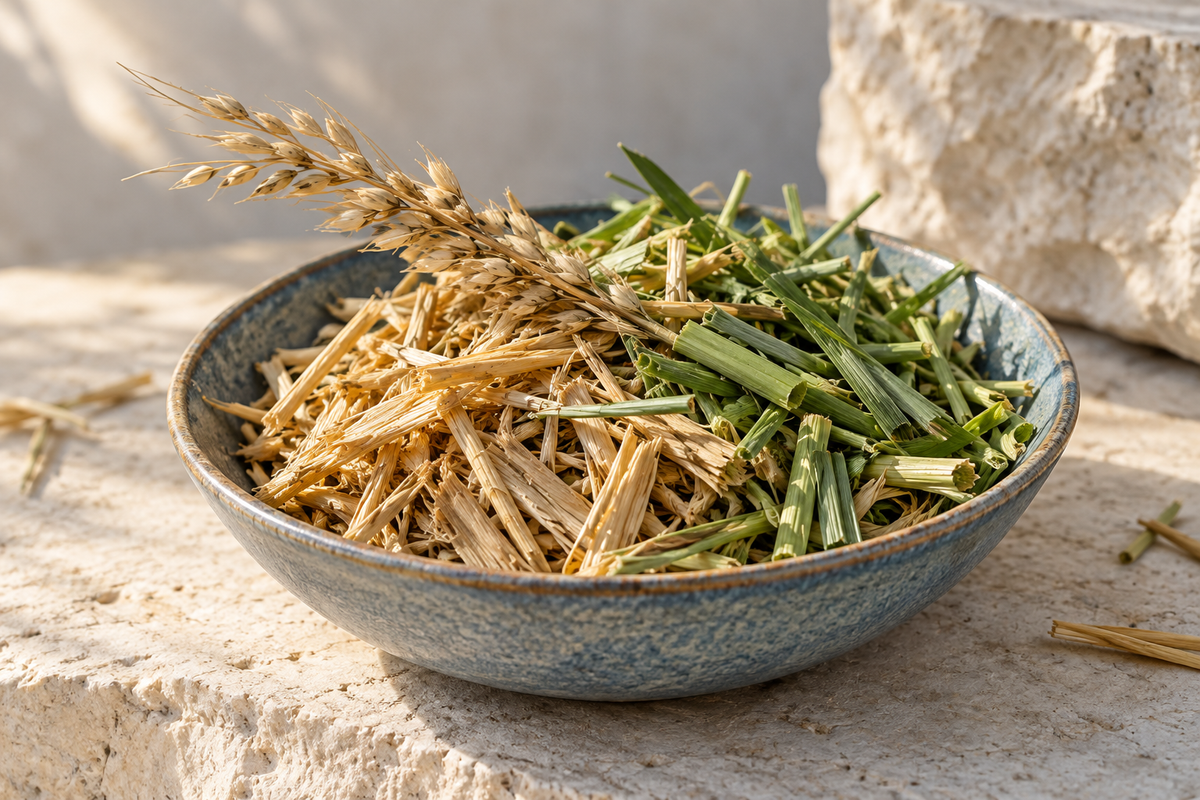
Straw, grasses, leafy residues and wood differ in cellulose, hemicellulose, pectin and lignin structure. Record moisture, particle size and prior chemical or thermal treatment. A result obtained on a milled laboratory substrate cannot be assumed for intact industrial material. Use the same representative lot for the control and enzyme treatments, including its normal range of fines and coarse pieces.

Make accessibility part of the comparison

Plant Max Yield Pro is presented as a blend of exo-cellulase, endo-cellulase, pectinase and xylanase. Confirm the supplied activities and grade-specific conditions. Compare the preparation step without enzyme before claiming an enzyme effect. Where cellobiose accumulation or another product bottleneck is suspected, measure it and test an appropriate additional activity separately rather than assuming the blend contains every accessory enzyme.

Choose the right downstream test

For fermentation, measure individual sugars and test the intended organism. For anaerobic digestion, soluble sugar release alone does not establish methane uplift; an appropriate digestion comparison is needed. For material processing, fibre size, strength or separation may matter more than maximum hydrolysis. Choose one primary endpoint and record secondary effects that could make the treatment commercially unattractive.

Troubleshooting

  • Control and treatment behave similarly: check whether preparation already removed the main limitation.
  • Conversion varies between batches: compare residue composition and dry solids before altering dose.

Common questions

Does this blend remove lignin?

Do not assume that carbohydrate-hydrolysing activities provide an effective lignin-removal step.

Is maximum soluble sugar always the goal?

No. The correct endpoint depends on fermentation, digestion or material properties.

Evidence and scope

These are proposed development comparisons, not validated production recipes or guaranteed performance results. Use current grade-specific technical data for the starting dose and operating conditions. Record the enzyme lot and assay definition, and confirm performance in the finished process before scale-up.

Feruloyl Esterase with Xylanase: Testing Biomass Accessibility

Liquid or Powder Xylanase: Activity, Dosing and Process Selection

How to Design an Enzyme Screening Trial That Gives Useful Results

Process development and supply

Share your feedstock, batch size, temperature and pH profile, treatment time and target specification with Scientific & Technical. Select a relevant product below to see current pack sizes, price and availability, and buy online. For blends and kits, confirm the component selection and conditions against your intended application.

Follow each preparation’s technical and safety data sheets, including storage and handling instructions. Avoid generating enzyme dust or aerosols.

Recommended products

Choose the products that match your process. Each card explains its role in this application; you do not need every enzyme in one recipe.

Benefits are application targets; confirm dosage and performance in your finished formulation.

References and supporting evidence

Research and manufacturer examples support the application rationale; they do not establish identical performance for every commercial preparation.

  1. Scientific & Technical — Plant Max Yield Pro

    Current product information; confirm the technical sheet, intended-use documentation and lot specification for the supplied preparation.