Marine and fungal polysaccharides

Laminarinase for Beta-Glucans: Hydrolysis or Preservation?

Choose laminarinase when beta-glucan hydrolysis is intended. Plan substrate-specific trials and measure molecular-size changes, sugars and recovery.
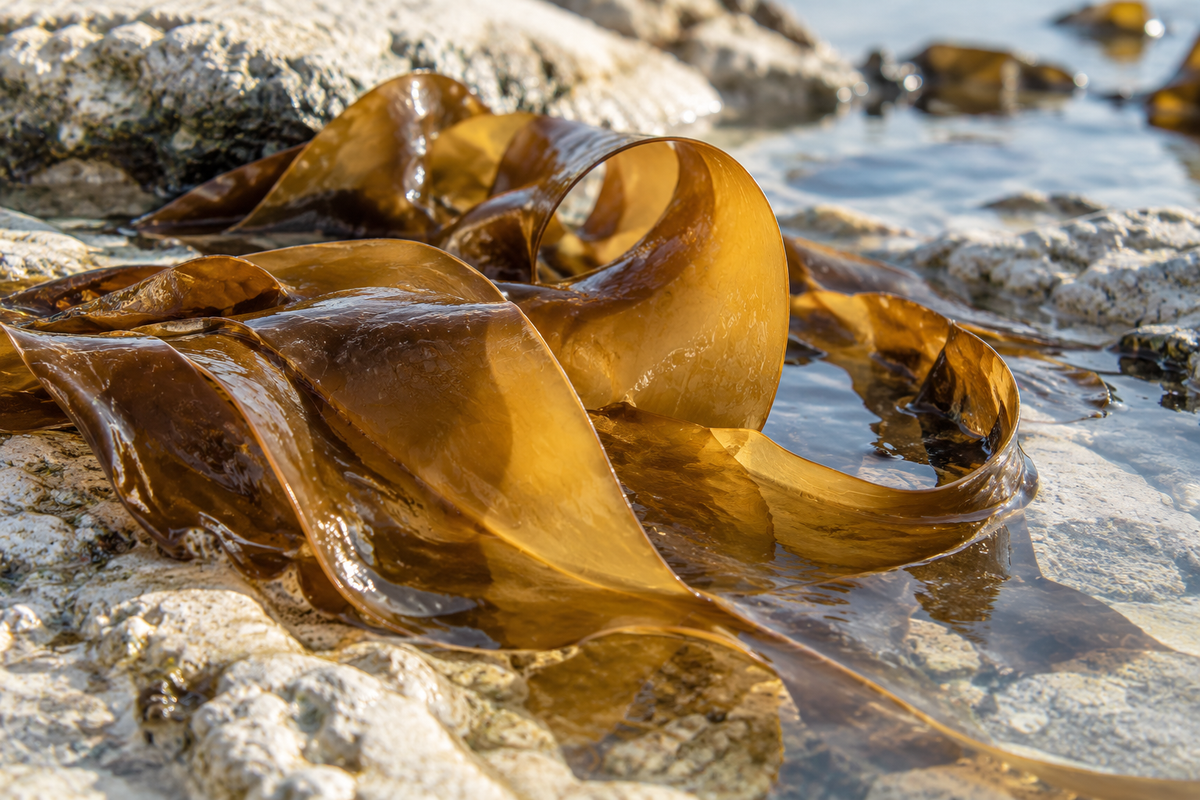
Laminarinase for Beta-Glucans: Hydrolysis or Preservation?

Choose the right enzyme

FeedstockProcessing targetEnzyme to investigateWhat to measure
Laminarin-rich extractProduce smaller glucansLaminarinaseMolecular-size distribution
Glucose productionAssess saccharificationConfirmed activity combinationGlucose-specific yield
Intact beta-glucan ingredientPreserve structureAvoid unwanted glucanase actionRetained molecular size

These comparisons identify useful development endpoints; they are not universal dose or operating-condition recommendations.

Plan the process

  1. 1

    Define the glucan target

    Characterise the glucan source and define the required product-size or glucose endpoint.

  2. 2

    Compare extraction

    Compare extraction-only and laminarinase-treated samples with a reference substrate.

  3. 3

    Measure product size

    Measure soluble recovery, product distribution and residual solids over time.

  4. 4

    Control the endpoint

    Choose the treatment window and validate stopping before evaluating the finished ingredient.

Laminarinase is a candidate when the aim is to break down susceptible beta-glucans. If the aim is to preserve the original beta-glucan size or structure, the same activity may work against the product specification.

Identify which glucan is present

Laminarin, cereal beta-glucans and fungal cell-wall glucans differ in linkage pattern, branching and accessibility. The name laminarinase does not establish equal activity on all of them. Obtain the supplied preparation’s substrate profile and test the actual material alongside a suitable reference. Whole seaweed or fungal biomass contains additional components that can limit access or affect analysis.

Define hydrolysis or preservation clearly

For an oligosaccharide target, measure the product-size distribution and avoid relying only on total soluble solids. For a glucose target, confirm glucose specifically and determine whether complementary activities are needed. For an extraction intended to retain high-molecular-weight glucan, include a structural or molecular-size measurement and consider whether laminarinase should be excluded from the process.

Control extraction and analytical recovery

Compare the extraction procedure alone with extraction plus enzyme at equal solids, pH and temperature. Analyse soluble and residual fractions where practical. A higher soluble yield can coincide with extensive depolymerisation, which may be desirable or unacceptable depending on the target. Stop activity consistently in timed samples so the measured size distribution represents the intended process point.

Troubleshooting

  • Soluble yield rises but functionality changes: measure polymer-size loss.
  • Reference substrate responds but biomass does not: investigate access and substrate identity.

Common questions

Is higher extraction yield always better?

Not if the extracted polymer has been degraded beyond the required specification.

Can laminarinase preserve beta-glucans while digesting everything else?

Its relevant activity attacks susceptible beta-glucans, so preservation must be assessed directly.

Evidence and scope

These are proposed development comparisons, not validated production recipes or guaranteed performance results. Use current grade-specific technical data for the starting dose and operating conditions. Record the enzyme lot and assay definition, and confirm performance in the finished process before scale-up.

Plant Biomass Enzyme Blends: Matching Treatment to the Residue

How to Design an Enzyme Screening Trial That Gives Useful Results

Process development and supply

Share your feedstock, batch size, temperature and pH profile, treatment time and target specification with Scientific & Technical. Select a relevant product below to see current pack sizes, price and availability, and buy online. For blends and kits, confirm the component selection and conditions against your intended application.

Follow each preparation’s technical and safety data sheets, including storage and handling instructions. Avoid generating enzyme dust or aerosols.

Recommended products

Choose the products that match your process. Each card explains its role in this application; you do not need every enzyme in one recipe.

Laminarinase
Beta-glucan processing

Laminarinase

Control susceptible glucan breakdown

  • Measure the changing molecular-size profile
  • Select hydrolysis only when it suits the ingredient target

From £128.99

View sizes & buy

Benefits are application targets; confirm dosage and performance in your finished formulation.

References and supporting evidence

Research and manufacturer examples support the application rationale; they do not establish identical performance for every commercial preparation.

  1. IUBMB enzyme nomenclature — EC 3.2.1.6

    Reaction classification supporting the mechanism discussed; a family example where applicable, not confirmation of the supplied preparation’s exact activity profile or process settings.

  2. Scientific & Technical — Laminarinase

    Current product information; confirm the technical sheet, intended-use documentation and lot specification for the supplied preparation.