Food and beverages

Pectinase for Juice Clarification: Selection and Trial Design

Choose and test pectinase for juice clarification, pressing or filtration. Compare turbidity, yield and flavour while protecting the intended style.
Pectinase for Juice Clarification: Selection and Trial Design

Choose the right enzyme

FeedstockProcessing targetEnzyme to investigateWhat to measure
Crushed fruitImprove pressingPectinase; assess cellulase where usefulJuice mass recovered
Expressed juiceReduce pectin-related hazePectinaseTurbidity after separation
Juice before filtrationIncrease filter throughputPectinaseVolume per filter area and time
Cloudy beveragePreserve intended cloudRestricted pectinase treatment trialCloud, body and sensory quality

Plan the process

  1. 1

    Split one batch

    Split one fruit or juice batch into a no-enzyme control and supplier-supported treatment levels.

  2. 2

    Control the treatment

    Run all samples at the same measured pH, temperature and mixing conditions.

  3. 3

    Measure separation

    Record yield, turbidity and filtration performance rather than relying only on photographs.

  4. 4

    Assess finished juice

    Compare the finished products after the intended downstream process and select the minimum treatment meeting the target.

Pectinase is a candidate when pectin contributes to poor juice clarification, pressing or filtration. Decide whether the goal is a clear juice or improved extraction with retained cloud, because those targets can require different treatment endpoints.

Define the juice style first

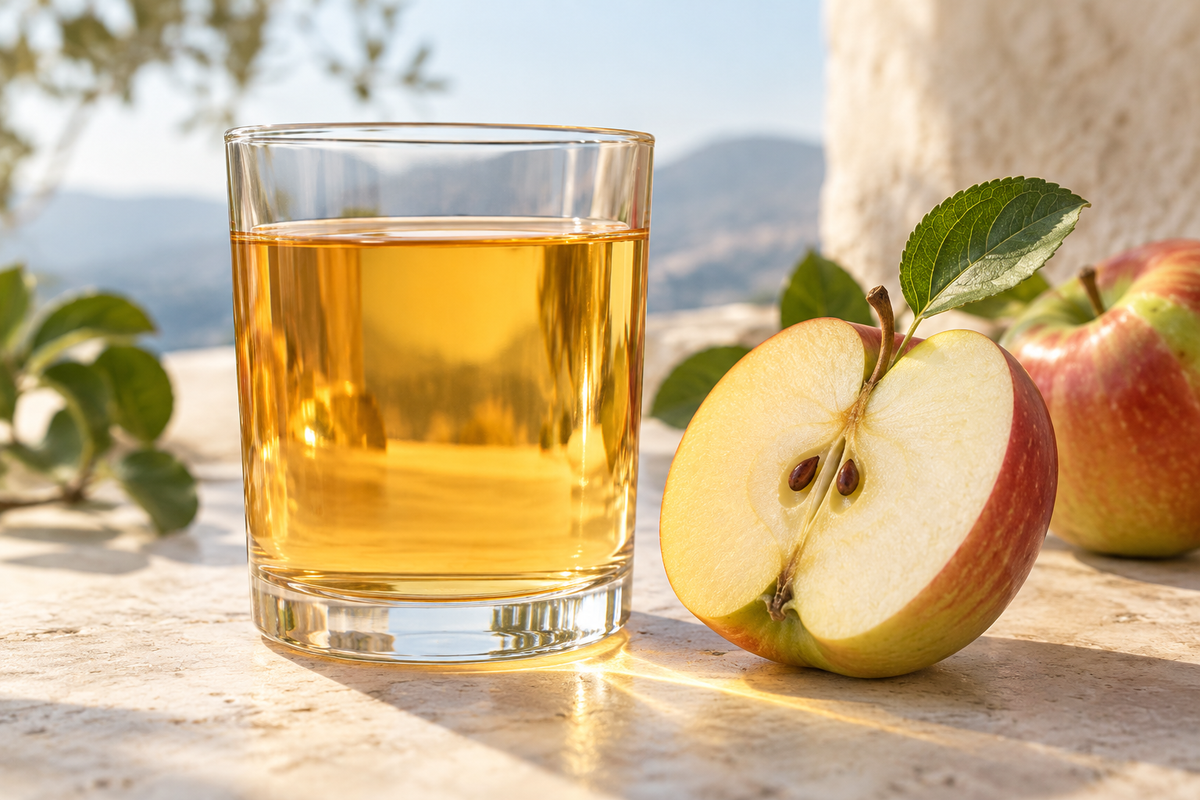
A clear apple juice and a cloudy fruit beverage have different specifications. Maximum clarification is not automatically desirable. Set targets for turbidity, yield, filtration time, viscosity and flavour before treatment. Keep fruit maturity, storage and crushing conditions consistent when comparing enzymes.

Pectinase is a preparation description

Commercial pectinase can describe preparations with different pectin-modifying activities. Endo-polygalacturonase is one relevant enzyme, but its EC definition does not describe every commercial pectinase blend. Ask which activities are supplied and whether the product has evidence for the fruit and conditions you intend to use.

Choose where to add it

Treatment before pressing may be evaluated for extraction, while treatment of expressed juice can be evaluated for clarification and filtration. Compare these stages separately before combining them. Mixing, temperature and holding time must be practical for the production line.

Measure the finished juice

A clearer bench sample is not enough if final processing produces sediment or an unwanted sensory change. Assess the product after its intended separation and preservation steps. Enzyme treatment is not a substitute for a validated food-preservation process.

Frequently asked questions

Will pectinase remove every cause of haze?

No. Haze can have other causes, so confirm that pectin is a relevant limitation.

Should it always be combined with cellulase?

No. Compare the single-enzyme treatment with a combination only where the substrate and target justify it.

Troubleshooting

  • Haze persists after treatment: investigate non-pectin causes and the separation step.
  • Desired cloud is lost: reduce severity and reassess the intended juice style.

Evidence and scope

These are proposed development comparisons, not validated production recipes or guaranteed performance results. Use current grade-specific technical data for the starting dose and operating conditions. Record the enzyme lot and assay definition, and confirm performance in the finished process before scale-up.

Mannanase for Guar Gum: Reducing Viscosity in Process Trials

How to Design an Enzyme Screening Trial That Gives Useful Results

Cellulase for Fruit Juice Processing

Process development and supply

Share your feedstock, batch size, temperature and pH profile, treatment time and target specification with Scientific & Technical. Select a relevant product below to see current pack sizes, price and availability, and buy online. For blends and kits, confirm the component selection and conditions against your intended application.

Follow each preparation’s technical and safety data sheets, including storage and handling instructions. Avoid generating enzyme dust or aerosols.

Recommended products

Choose the products that match your process. Each card explains its role in this application; you do not need every enzyme in one recipe.

Pectinase
Pectin management

Pectinase

Investigate pressing and clarification

  • Choose treatment stage around the juice style
  • Measure yield, turbidity and filtration
Cellulase
Cell-wall treatment

Cellulase

Assess complementary fruit-wall treatment

  • Compare cellulase with pectinase alone
  • Measure juice recovery, cloud and filter load

Benefits are application targets; confirm dosage and performance in your finished formulation.

References and supporting evidence

Research and manufacturer examples support the application rationale; they do not establish identical performance for every commercial preparation.

  1. IUBMB enzyme nomenclature: EC 3.2.1.15

    Reaction classification supporting the mechanism discussed; not validation of commercial trial settings.

  2. Scientific & Technical — Pectinase

    Current product information; confirm the technical sheet and lot specification for the supplied preparation.

  3. Scientific & Technical — Cellulase

    Current product information; confirm the technical sheet and lot specification for the supplied preparation.