
Protein processing
Which Protease Do I Need: Acid, Neutral or Alkaline?
Compare acidic, neutral and alkaline proteases by process pH, protein substrate and desired result, with a practical trial and product links.
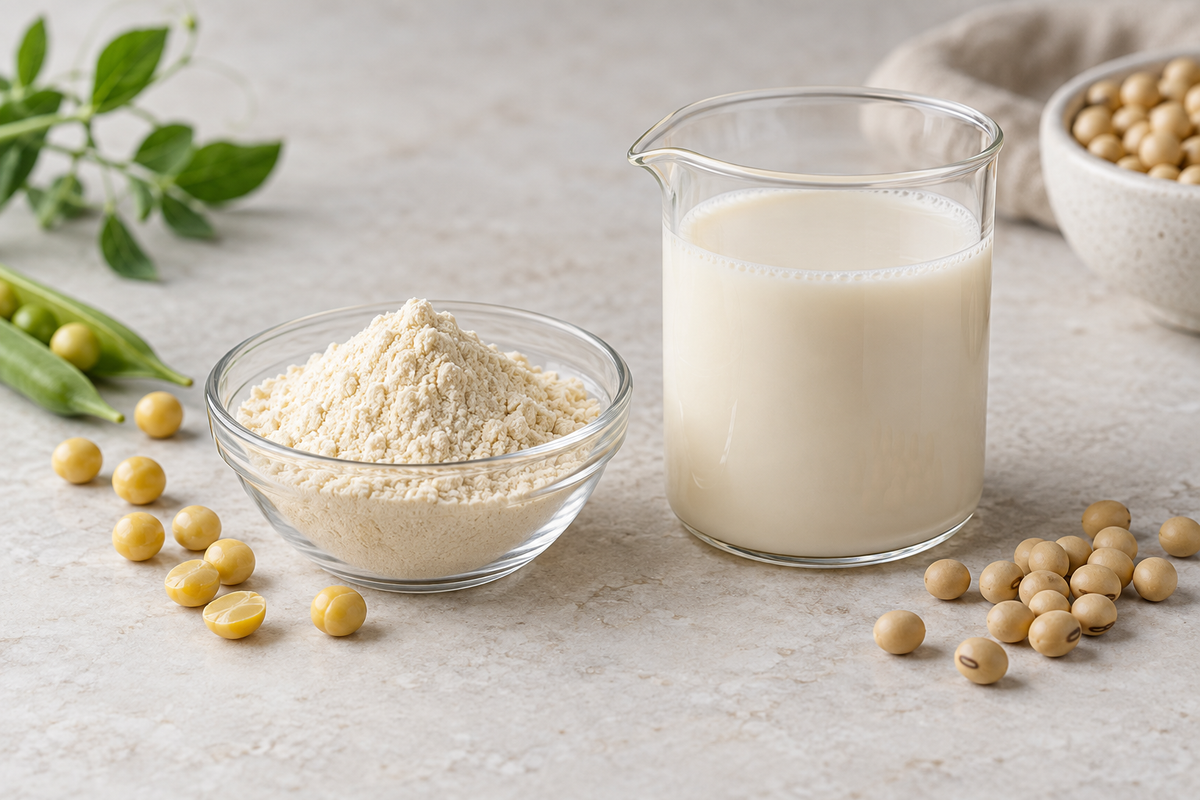
Choose the right enzyme
| Feedstock | Processing target | Enzyme to investigate | What to measure |
|---|---|---|---|
| Protein at acidic pH | Hydrolyse under acidic conditions | Acidic protease | Solubility, hydrolysis and flavour |
| Protein near neutral pH | Minimise pH adjustment | Neutral protease | Functionality and peptide profile |
| Protein under alkaline conditions | Evaluate alkaline hydrolysis | Alkaline protease | Hydrolysis and neutralisation burden |
Plan the process
- 1
Prepare the protein
Prepare matched dispersions from one protein lot and include a no-enzyme control.
- 2
Compare grades
Compare shortlisted grades under suitable conditions, with an activity definition and dose basis recorded for each.
- 3
Measure function
Track soluble protein, a validated hydrolysis indicator, pH and relevant texture or sensory properties.
- 4
Stop and finish
Stop treatment at the selected endpoint and confirm quality after the complete downstream process.
Recommended products
Choose the products that match your process. Each card explains its role in this application; you do not need every enzyme in one recipe.

Protease (acidic)
Screen hydrolysis at acidic pH
- Compare on the actual protein substrate
- Assess solubility and flavour after finishing
From £74.99
View sizes & buy
Protease (neutral)
Screen hydrolysis near neutral pH
- Investigate function with limited pH adjustment
- Measure peptide outcome and finished flavour
From £74.99
View sizes & buy
Protease (alkaline / Alcalase)
Screen hydrolysis under alkaline conditions
- Assess the chosen protein at a controlled endpoint
- Include neutralisation and flavour in the comparison
From £74.99
View sizes & buy
ProStar Protease Kit
Compare protease candidates
- Select against the protein and process window
- Choose using functionality and flavour together
£218.99
View sizes & buyBenefits are application targets; confirm dosage and performance in your finished formulation.
References and supporting evidence
Research and manufacturer examples support the application rationale; they do not establish identical performance for every commercial preparation.
- Scientific & Technical — Protease (acidic)
Current product information; confirm the technical sheet and lot specification for the supplied preparation.
- Scientific & Technical — Protease (neutral)
Current product information; confirm the technical sheet and lot specification for the supplied preparation.
- Scientific & Technical — Protease (alkaline / Alcalase)
Current product information; confirm the technical sheet and lot specification for the supplied preparation.
- Scientific & Technical — ProStar Protease Kit
Current product information; confirm the technical sheet and lot specification for the supplied preparation.