
Enzymes for Bioethanol Production
Enzymes for Bioethanol Production
Turn starch and accessible plant fibre into fermentable sugars. We use high-throughput screening to compare enzyme activities, ratios and process conditions on your actual feedstock, then develop a blend around the results.
Match the Enzyme Route to Your Material
Starch-rich feedstocks
- Target: Corn, wheat and potato streams.
- Solution: Amylase and glucoamylase support starch conversion.
- Optimisation: Compare sugar release, viscosity and cost per tonne.
Cellulosic biomass
- Target: Straw, bagasse, plant residues and cellulose-rich pulp.
- Solution: Combine complementary cellulolytic and hemicellulolytic activities.
- Optimisation: Check pretreatment, accessibility and fermentable sugar profile.
Mixed processing residues
- Target: Variable food-industry or agricultural side streams.
- Solution: Select the enzyme profile from the feedstock composition.
- Optimisation: Compare representative lots; qualify residual solids separately.
Choose a Starting Product for Your Trials
Explore existing products, then screen the dose and blend composition against your feedstock.
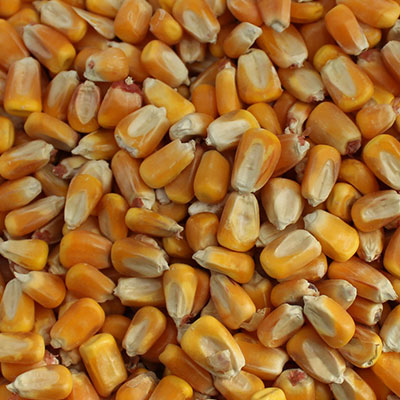
Corn Max Yield Pro
Built for maize conversion into fermentable sugars for bioethanol production.
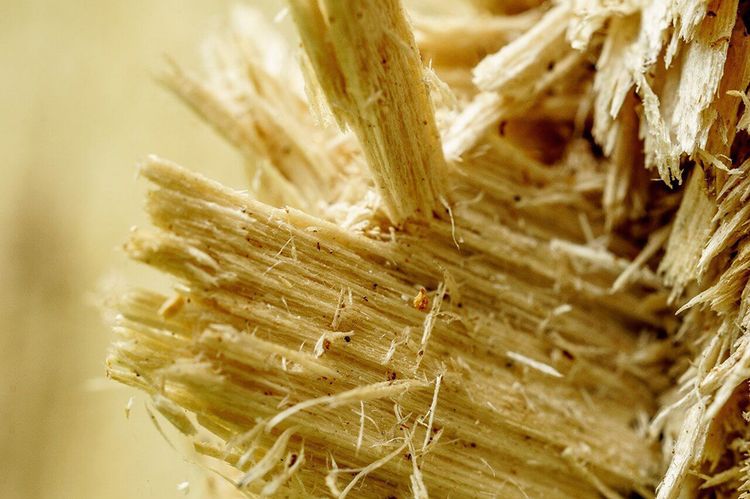
Cellulose Max Yield Pro
Designed for lignocellulosic biomass where cellulose and hemicellulose hydrolysis drive yield.

Grain Max Yield Pro
For grain-based fermentation and biofuel applications requiring broad carbohydrate breakdown.
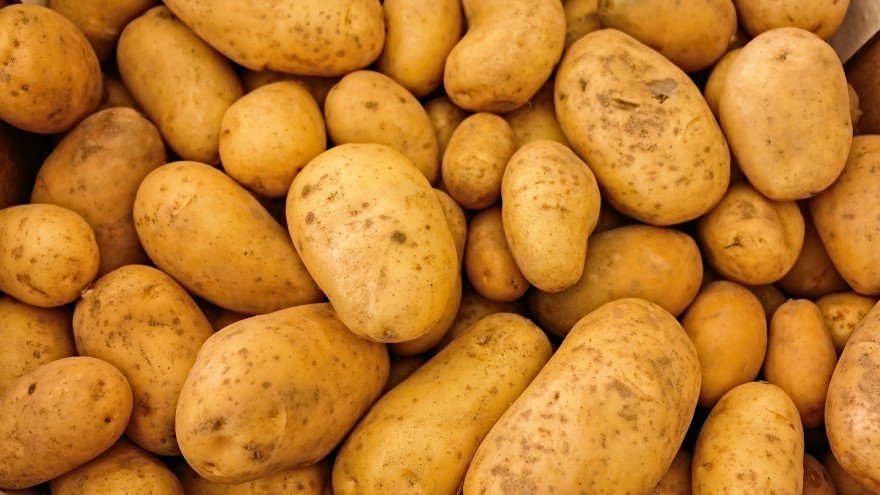
Potato Max Yield Pro
Targeted at potato and other starch-rich root feedstocks to improve conversion efficiency.
Plant Max Yield Pro
For mixed plant biomass where cellulose, hemicellulose and structural polysaccharides limit conversion.

Sugar Beet Max Yield Pro
Designed for sugar beet processing where accessible sugars and structural plant material both matter.
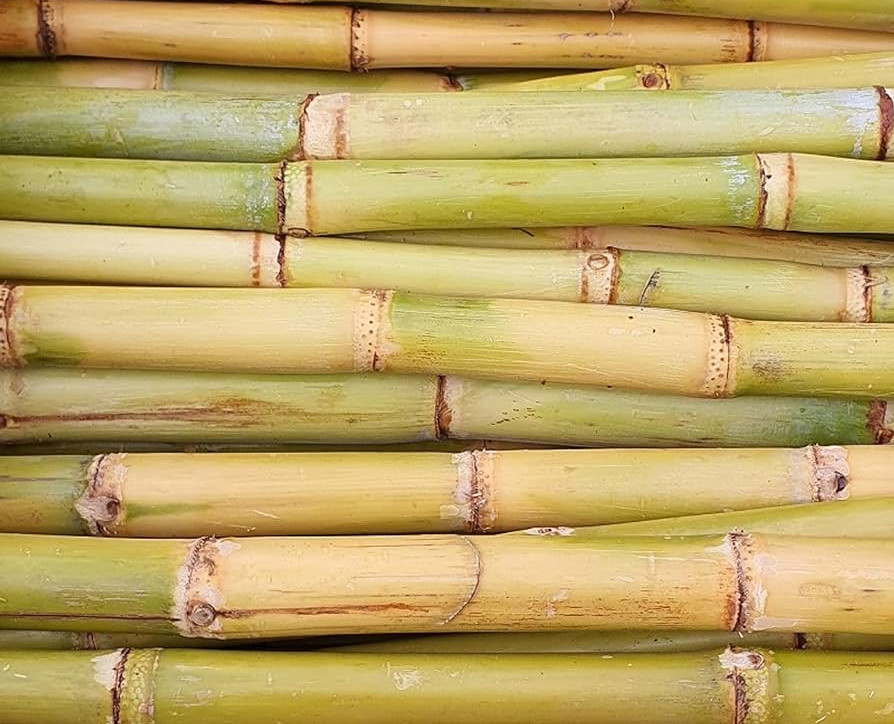
Sugar Cane Max Yield Pro
Built around cane-derived feedstocks and the need to maximise available fermentable carbohydrate.
Build and compare your enzyme panel
Plan Your Evaluation
Your Feedstock. Your Conditions. Your Blend.
Compare enzyme options in parallel, then validate the strongest candidates in the process that matters to you.
Characterise your feedstock
Assess starch, structural carbohydrates, solids loading and pretreatment. Define the sugars your fermentation organism can use.
Screen enzyme combinations
Compare activities, ratios, doses, pH and temperature using blanks, reference treatments and replicate measurements.
Validate fermentation
Confirm sugar profiles, ethanol yield and residual solids in representative batches before selecting the production blend.
The selected blend is based on measured feedstock performance and practical cost-in-use. Laboratory screening is followed by representative process validation.
Build Your Starting Blend with AI
Enter your feedstock and operating conditions. Use the starting formulation to plan a discussion or evaluation, then refine the blend through measured screening.
Your process
Enter the key conditions.